Roof Replacement in St. Cloud from $9,500. New Jersey prices, a written scope, and a contract you are allowed three days to think about. Free inspection and a written quote.
High ground on the First Mountain, where the replacement question starts with access rather than covering. Sloping wooded sites decide where scaffold stands and how materials reach the roof, and steep broken-up slopes take longer per square than their area suggests. Both belong in the price before the shingle is chosen.
An architectural asphalt roof in New Jersey runs $9,500 to $26,000, and most 2,000 square foot houses land at $12,000 to $18,000 installed. Architectural shingle is $5.50 to $8.00 per square foot against $4.50 to $6.50 for three-tab. On a house you intend to keep, the heavier product is worth the difference; on one you are selling next spring, it may not be, and a quote that does not ask which you are doing has not asked enough.


Those are New Jersey figures for an architectural asphalt roof, and most 2,000 square foot houses land at $12,000 to $18,000 installed. In West Orange the number moves most with which side of the mountain the house is on: a steep, broken up First Mountain roof is a different job from a post-war slope out towards Pleasantdale. Expect access to appear as its own line. On a sloping wooded mountain site, where scaffold can stand and how materials reach the roof are real costs, and steep broken slopes take longer per square than their area suggests.
A simple roof shape, a driveway to work from, a deck that turns out sound, and a detached one- or two-family house -- which in most of this township means ordinary maintenance and no permit to wait on.
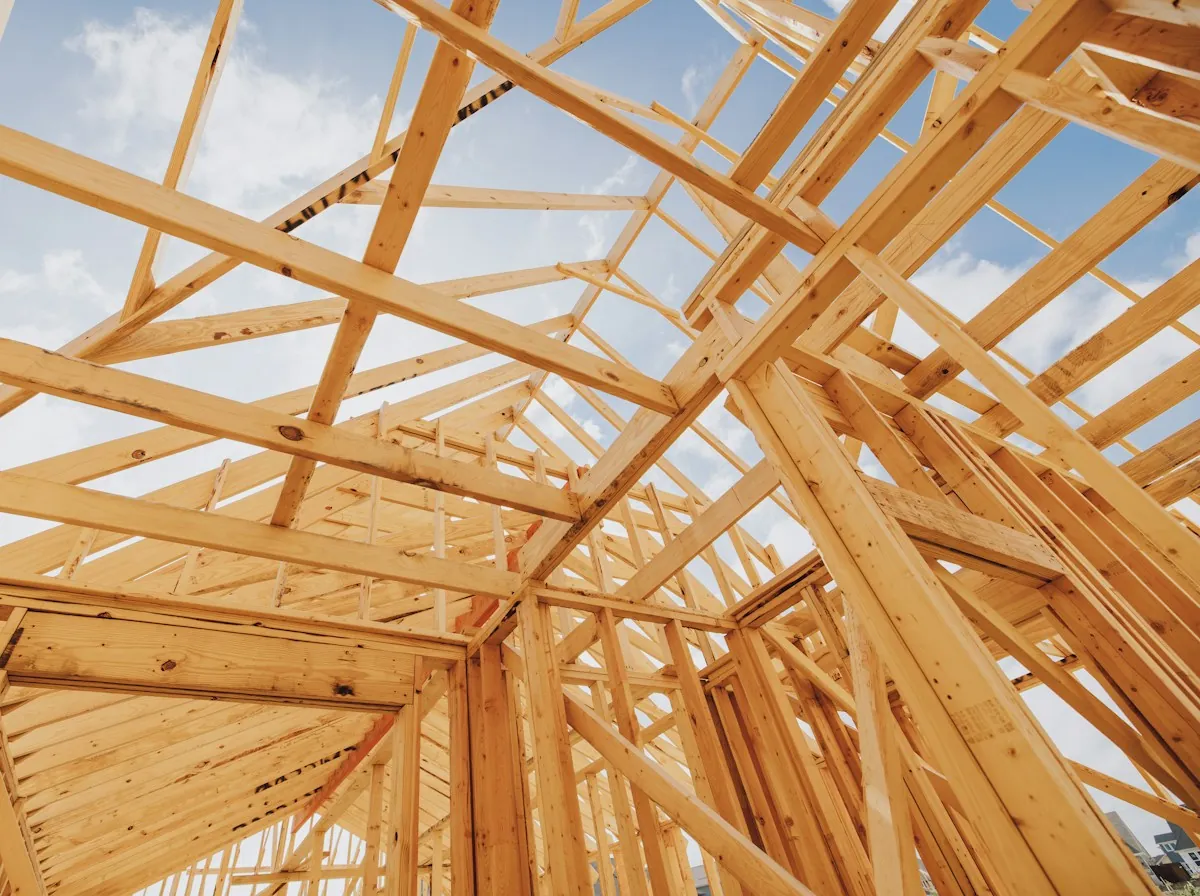
Pitch and geometry first: dormers, valleys and turrets add time per square that area alone never shows. Then a sloping wooded site that has to be staged, board sheathing that has to be made good, and a second covering that has to come off.
How decking replacement is priced. It belongs in the scope as a rate per sheet, because nobody knows how much has softened until the covering is off, and a lump figure is a guess in one direction or the other.
Elevation and exposure do the damage up here. Wind gets under the edges first, so rake and eaves detail earns its keep, and the slope of the plot itself decides how the scaffold and the materials get to the roof at all. Steep and broken-up roofs take longer per square than the area suggests.
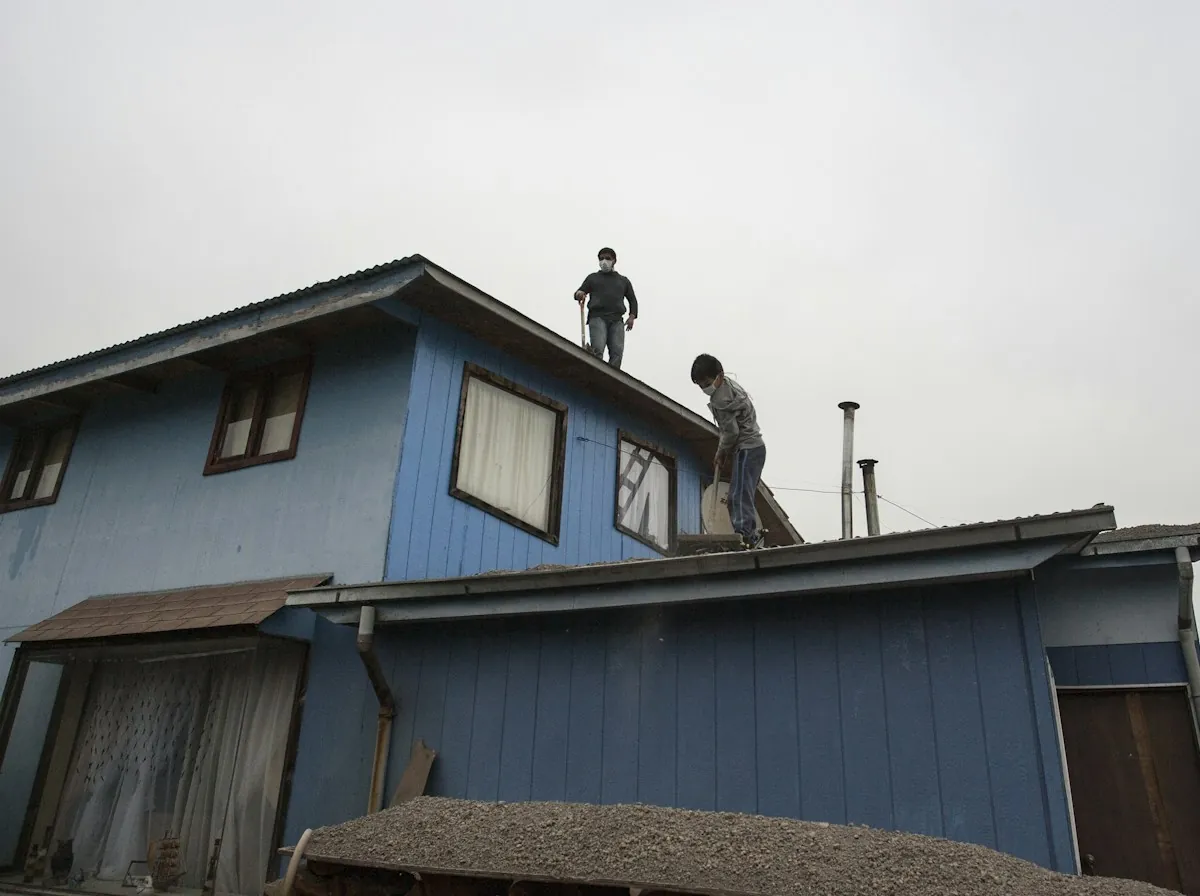
A roof that is hard to stand on is a roof that is expensive to work on, and that is a fact about the site rather than a negotiating position.
Three of them you can do standing in your own driveway, before anybody gets a ladder off a roof rack. Apply them here first.
N.J.A.C. 13:45A-17.11 requires the registration number on BOTH sides of a commercial vehicle used for home improvement work, with "HIC reg. #" in lettering an inch high. An unmarked van is not a matter of taste or opinion -- it is a vehicle that does not comply with the rule it is supposed to.
Over $500, N.J.A.C. 13:45A-16.2 requires it in writing and signed by both parties, setting out the work and the materials and giving the contractor's legal name and business address. A first name and a mobile number is not a business address.
That contract must carry a bold Notice to Consumer giving you three business days to cancel, running to midnight of the third business day after you receive your copy. Anyone telling you the price is only good today is describing something the law will not enforce for them.
Wind damage up here is almost always an edge problem.
Exposure up on the mountain means this section sees wind the lower township does not, and sees it at the rake and ridge first.
Slate on a steep exposed mountain roof is at its best and its most demanding: the pitch sheds water beautifully and the wind tests every fixing.
Flat sections on a mountain site are often dealing with water arriving from above rather than falling on them -- a low-slope deck beneath a large steep slope takes everything that roof sheds.
Half of an inspection up here is about the edges, because that is where exposure does its work, and half is about access -- knowing what it will actually take to get a crew and materials onto that roof is part of knowing what the work will cost..
One township, two trades. The mountain decides.
An 1850s planned community. Real slate, real frames.
Post-war and simple. The layer count is the variable.
Heavy canopy. Valleys, gutters and shaded slopes.
Denser and more multi-family. Unit count decides it.
Large, simple, accessible. Age is the question.
Inter-war stock. Board decking and narrow lots.
The questions this job turns on, answered up front.
Only where it has actually softened, and as a rate per sheet in the written scope rather than a lump guess. On the older stock here the deck is frequently board sheathing rather than plywood, which holds a nail differently -- so it is established by lifting and looking before anything is specified on top of it.
Only over one existing layer, on a sound deck. Two coverings is the practical ceiling, and an overlay buries the eaves detail -- so if there was never an ice barrier down there, an overlay guarantees there still is not. In this climate that is the wrong saving.
An architectural asphalt roof runs $9,500 to $26,000 in New Jersey, and most 2,000 square foot houses land at $12,000 to $18,000 installed. Per square foot that is $5.50 to $8.00 for architectural shingle against $4.50 to $6.50 for three-tab. Natural slate is a different market entirely at $22 to $35 a square foot, and synthetic slate sits between them at $9 to $16.
For a standard asphalt roof on an average house, yes -- that is well above the $12,000 to $18,000 most 2,000 square foot houses cost here. But it is an entirely normal figure for natural slate, for a large house, or for a steep and complicated roofline with towers and dormers, which this township has a good deal of. The number on its own does not answer the question. What the quote itemizes does.
Labor, in most cases -- typically more than half the total, and the share rises with pitch and complexity because steep broken-up roofs take far longer per square foot than simple ones. The item that most often moves a final bill away from the quote is different: replacement decking, which nobody can measure until the old covering is off. That is why it belongs in the scope as a rate per sheet.
The registration number on the paperwork, not just the website. A written scope over $500, as New Jersey requires.