Roof Inspection in The Valley from free with a quote. A written opinion on what you have got and how long it has left -- including when the answer is 'nothing yet'. Free inspection and a written quote.
On a multi-family building the roof space may be divided, inaccessible or shared, so part of the inspection is establishing what can actually be seen and saying plainly what could not. A report that quietly omits the parts nobody looked at is worse than no report.
The reason to have a roof looked at properly is almost always that somebody has told you it needs work. Sometimes that is a surveyor, sometimes a neighbor's contractor, and sometimes a stranger who knocked. All three deserve the same response, which is a second opinion from somebody who is not the person who raised it.


The inspection is free when it is attached to a quote. What you get is the slope, the details that actually fail, the roof space, photographs of anything reported, and a written view on remaining life -- including when that view is that nothing needs doing yet. Unit count comes before covering. One or two units in a detached building is ordinary maintenance; three or more, or an attached building, is not, and that changes the paperwork and the program. Low-slope roofs behind parapets are priced as their own area.
Nearly always because somebody said the roof needed work. A surveyor, a neighbor's contractor, or a stranger who knocked. All three deserve a second opinion from someone who did not raise it.
Layer count and deck type. Both are quick to establish, both are invisible from the ground, and both change what any future repair or replacement can achieve.
Quietly omit the parts nobody could see. Where a roof space is divided or inaccessible, the report says so rather than implying a completeness it does not have.
The one part of West Orange where the unit count is a real question before anything else. Ordinary maintenance covers a detached one- or two-family dwelling; three or more units or an attached building does not, and that is settled at the construction office rather than on the roof. Low-slope roofs behind parapets are common here and rare up the hill.
Establish how many units the building is before discussing the covering, because the answer changes the paperwork and not just the price.
If a quote fails the first two, the rest of it does not matter much.
Nobody knows how much deck has softened until the covering is off. A rate per sheet is an honest answer to that; a lump sum is a guess that will be revisited, usually upwards, once the roof is open.
Most of what fails on a roof is not the field -- it is the eaves, the valleys, the chimney abutment and the penetrations. A quote that prices only area has not priced the parts that leak.
The cancellation notice is a legal requirement, not a courtesy. A contractor who includes it unprompted is telling you they expect the quote to survive you thinking about it overnight.
The part of West Orange where the first question is how many units the building contains.
On two-family and semi-detached housing, a repair has to account for a party wall or an abutment that the neighbor also owns part of.
On a multi-family building, a storm repair has to keep every unit dry overnight, which constrains the sequence far more than the work itself does.
There is far less natural slate down here, and where it appears it is usually on an older two-family house rather than an estate property.
This is the one part of West Orange with genuine low-slope roofing behind street parapets, on the older mixed-use and multi-family buildings along the main road.
One township, two trades. The mountain decides.
An 1850s planned community. Real slate, real frames.
Post-war and simple. The layer count is the variable.
High and exposed. Edges first, access second.
Heavy canopy. Valleys, gutters and shaded slopes.
Large, simple, accessible. Age is the question.
Inter-war stock. Board decking and narrow lots.
The questions this job turns on, answered up front.
Yes, in writing. If the honest answer is that the covering has years left and whoever told you otherwise was wrong, that is what the document says. A report that finds work every single time is not an inspection service.
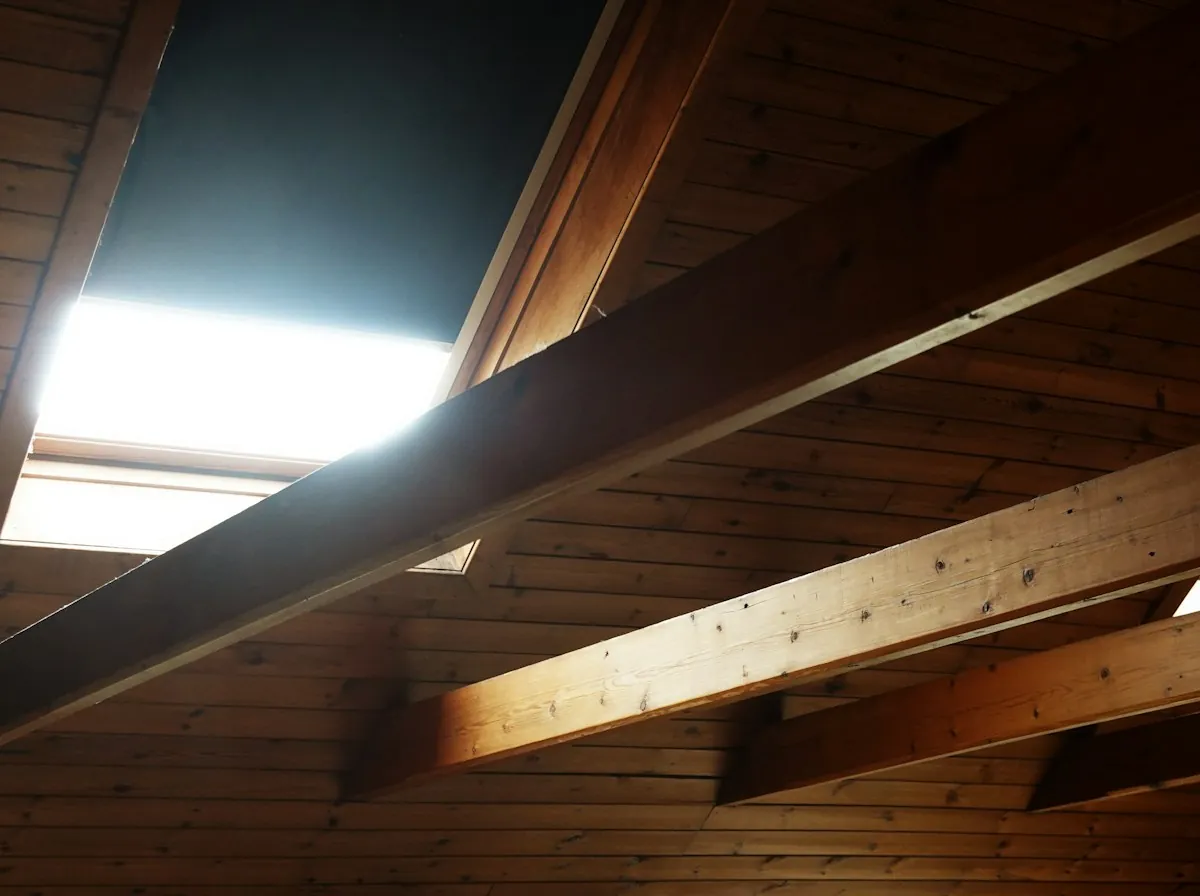
The slope; the details that genuinely fail -- eaves, valleys, chimney and wall abutments, penetrations; and the roof space, because the underside shows old water tracks, daylight, damp insulation, the layer count and whether the deck is board or plywood. Anything reported is photographed.
Architectural asphalt typically gives 20 to 30 years here and three-tab 15 to 20, with freeze and thaw at the eaves doing more to shorten both than sunlight does. Natural slate outlasts the rest by a wide margin -- often a century or more -- which is why so many slate roofs in this area need their nails, valleys and flashings attended to rather than the stone replaced.
Labor, in most cases -- typically more than half the total, and the share rises with pitch and complexity because steep broken-up roofs take far longer per square foot than simple ones. The item that most often moves a final bill away from the quote is different: replacement decking, which nobody can measure until the old covering is off. That is why it belongs in the scope as a rate per sheet.
In New Jersey four of them are checkable rather than a matter of impression. The registration number appears on both sides of the van in inch-high lettering and on every advertisement and document, under N.J.A.C. 13:45A-17.11. Any contract over $500 is in writing and signed by both parties, with the legal business name and a street address on it. And it carries a bold notice giving you three business days to cancel. A contractor who meets all four may still be wrong for the job, but one who fails them is not a judgment call.
The registration number on the paperwork, not just the website. A written scope over $500, as New Jersey requires.