Roof Inspection in Verona from free with a quote. A written opinion on what you have got and how long it has left -- including when the answer is 'nothing yet'. Free inspection and a written quote.
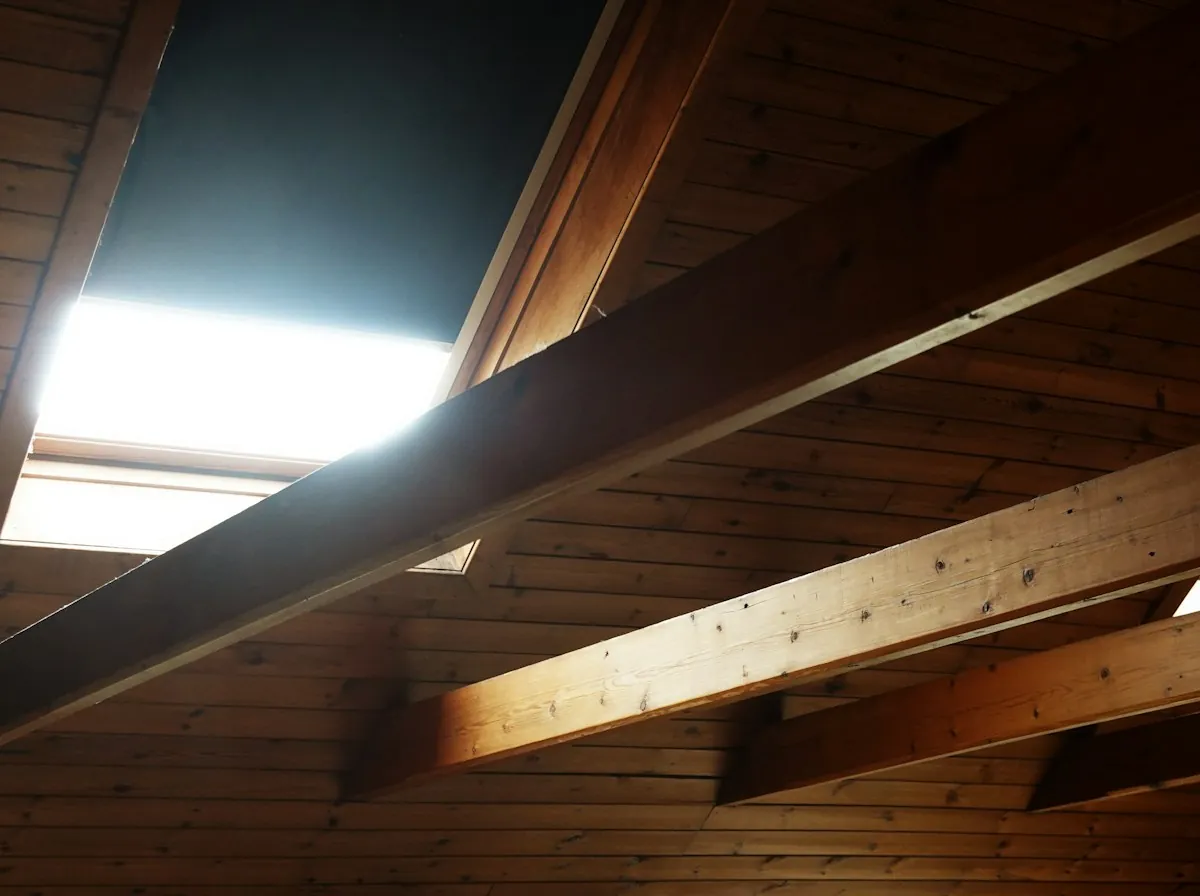
The single most useful thing an inspection settles on inter-war housing is whether the deck is board or plywood. It changes what can be fixed over, what fixings will hold, and whether a tear-off is a choice or an inevitability.
The reason to have a roof looked at properly is almost always that somebody has told you it needs work. Sometimes that is a surveyor, sometimes a neighbor's contractor, and sometimes a stranger who knocked. All three deserve the same response, which is a second opinion from somebody who is not the person who raised it.


The inspection is free when it is attached to a quote. What you get is the slope, the details that actually fail, the roof space, photographs of anything reported, and a written view on remaining life -- including when that view is that nothing needs doing yet. Two inter-war factors move a Verona number. Board sheathing rather than plywood on a good share of it, which has to be made good rather than nailed into; and compact lots, where the dumpster position and the materials drop are a genuine constraint rather than a detail.
Nearly always because somebody said the roof needed work. A surveyor, a neighbor's contractor, or a stranger who knocked. All three deserve a second opinion from someone who did not raise it.
Layer count and deck type. Both are quick to establish, both are invisible from the ground, and both change what any future repair or replacement can achieve.
Quietly omit the parts nobody could see. Where a roof space is divided or inaccessible, the report says so rather than implying a completeness it does not have.
Inter-war stock means board sheathing rather than plywood on a good proportion of it, and that changes what can be fixed over and what has to come off. Compact lots also mean the practical question of where the dumpster goes and where the materials land is a real one rather than an afterthought.
Board decking and a narrow lot are both things you want established before a number is quoted, not after the covering is off.
Worth knowing before you start ringing round, particularly after a storm.
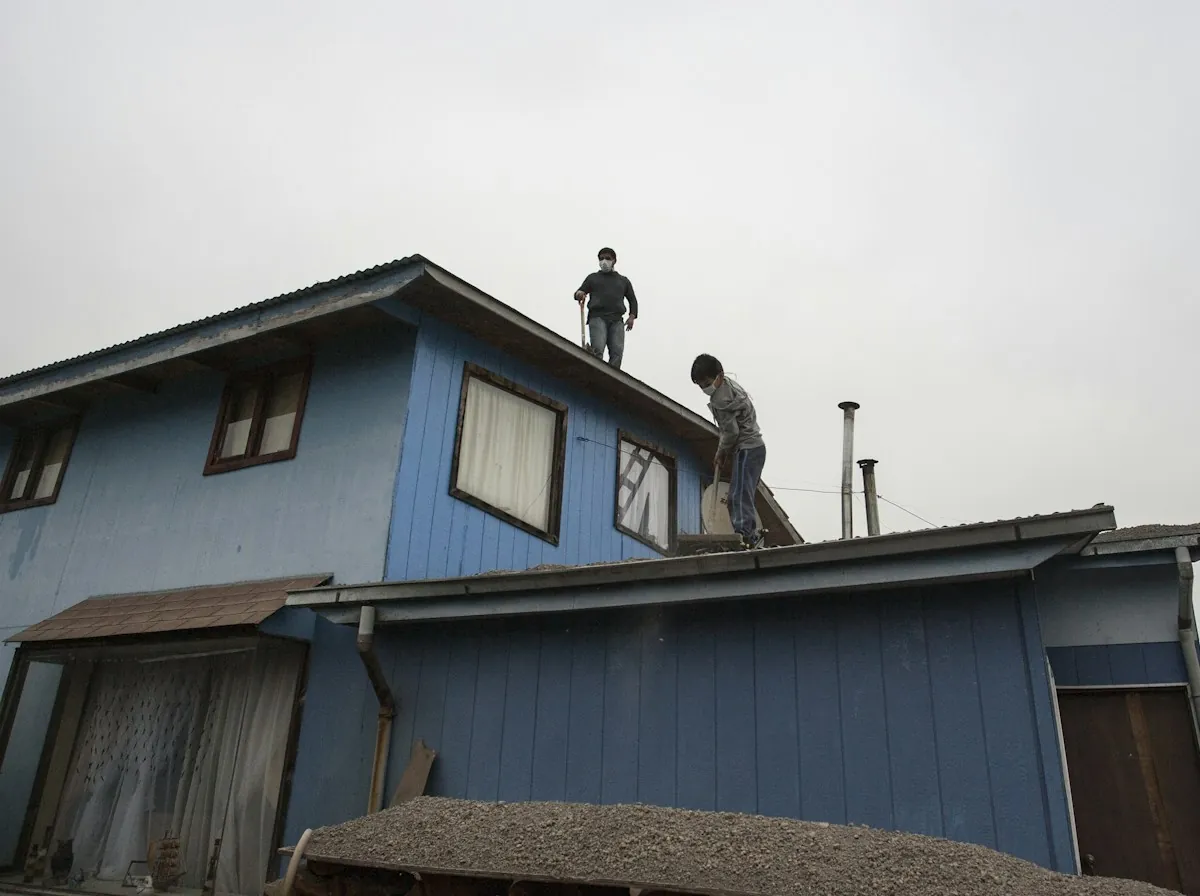
Roofs in this part of New Jersey fail at the edges. A gust gets under a course at a rake or an eaves, takes a strip off, and the deck underneath is open to whatever comes next -- which is why the calls arrive in clusters, in the same forty-eight hours, right across a township at once.
Inter-war housing on compact lots, which means two things a post-war quote would not have to consider.
Board sheathing changes what a repair can do.
Compact lots and mature streets mean a fallen limb often lands across a boundary, and the roof damage gets tangled up with whose tree it was.
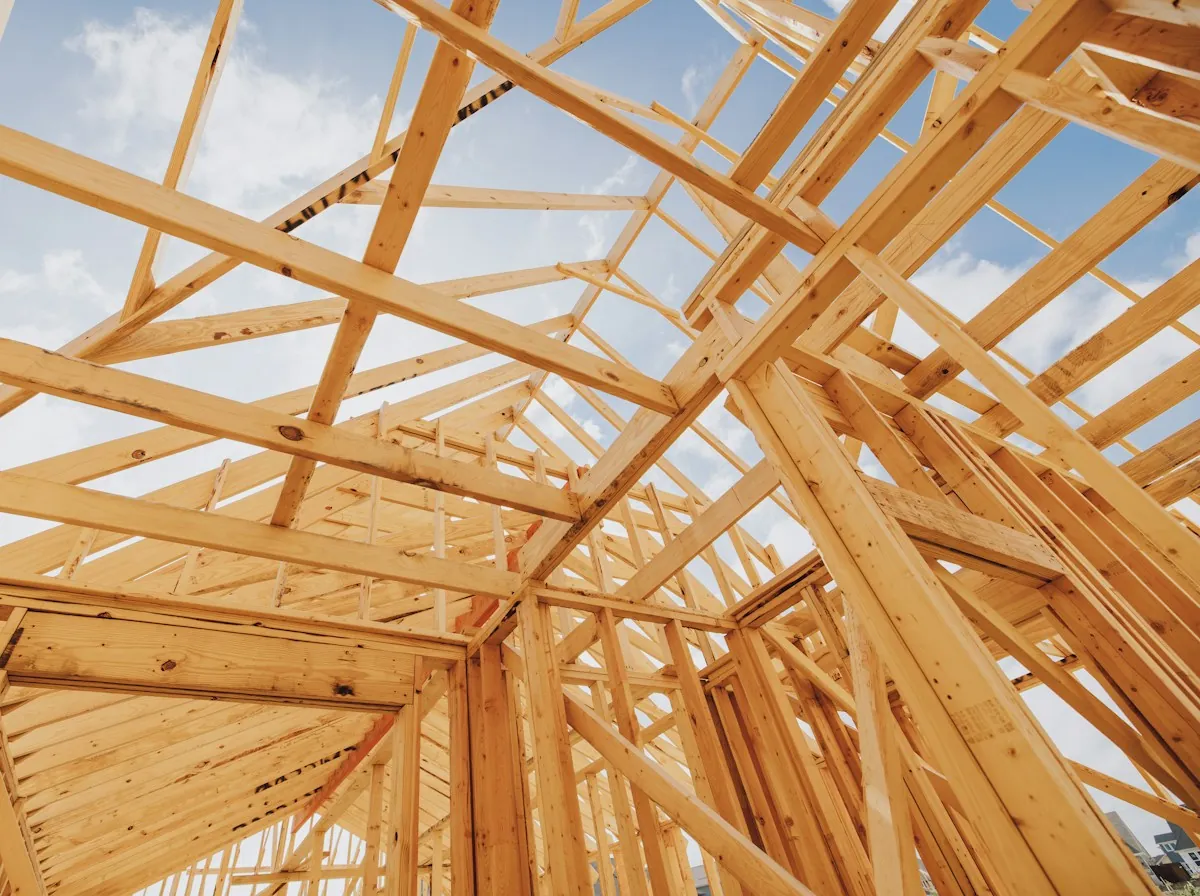
Inter-war housing sits right on the boundary: some of it was framed heavily enough for stone and some was not, and the only way to know is to look at the structure rather than the date.
Inter-war extensions are often small, low and tucked between buildings on a narrow lot, so the practical question is how a roll of membrane and a crew get to them at all.
One township, two trades. The mountain decides.
An 1850s planned community. Real slate, real frames.
Post-war and simple. The layer count is the variable.
High and exposed. Edges first, access second.
Heavy canopy. Valleys, gutters and shaded slopes.
Denser and more multi-family. Unit count decides it.
Large, simple, accessible. Age is the question.
The questions this job turns on, answered up front.
Yes, in writing. If the honest answer is that the covering has years left and whoever told you otherwise was wrong, that is what the document says. A report that finds work every single time is not an inspection service.
The slope; the details that genuinely fail -- eaves, valleys, chimney and wall abutments, penetrations; and the roof space, because the underside shows old water tracks, daylight, damp insulation, the layer count and whether the deck is board or plywood. Anything reported is photographed.
A 1,200 square foot roof in architectural shingle works out at roughly $6,600 to $9,600 on New Jersey rates, before anything the roof itself adds. Note that 1,200 square feet of FLOOR is not 1,200 square feet of roof: pitch, overhangs and dormers mean the roof area on a house that size is commonly a third larger again, which is a frequent source of quotes that look inexplicably far apart.
In New Jersey four of them are checkable rather than a matter of impression. The registration number appears on both sides of the van in inch-high lettering and on every advertisement and document, under N.J.A.C. 13:45A-17.11. Any contract over $500 is in writing and signed by both parties, with the legal business name and a street address on it. And it carries a bold notice giving you three business days to cancel. A contractor who meets all four may still be wrong for the job, but one who fails them is not a judgment call.
It is a Florida rule, and it does not apply in New Jersey. The 25% rule comes from the Florida Building Code Existing Building, where repairing or replacing more than a quarter of a roof within a year can require the whole thing to be brought up to current code. New Jersey has no equivalent provision. It appears in searches here because national content repeats it without saying which state it belongs to, and it is worth knowing that any contractor quoting it at you in this state is citing the wrong code book.
The registration number on the paperwork, not just the website. A written scope over $500, as New Jersey requires.