Roof Inspection in Livingston from free with a quote. A written opinion on what you have got and how long it has left -- including when the answer is 'nothing yet'. Free inspection and a written quote.
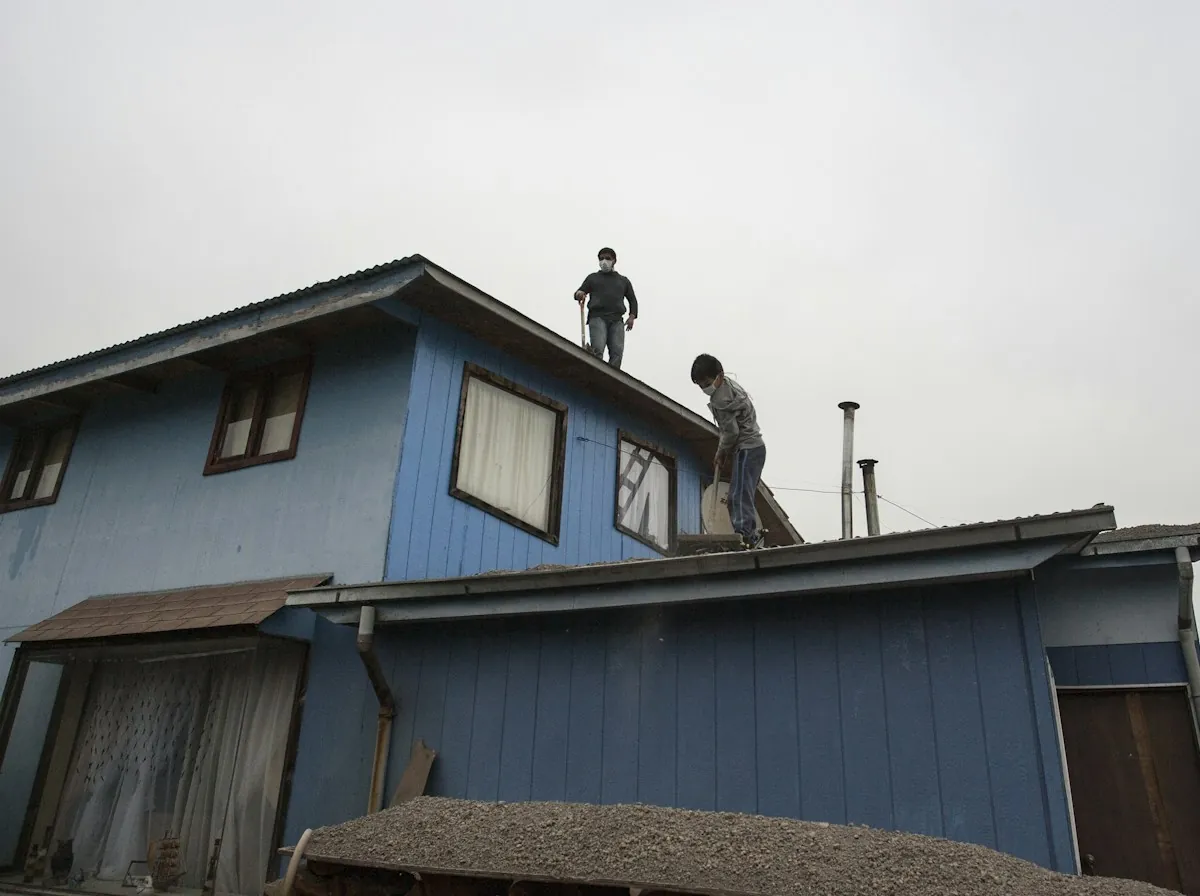
Large accessible roofs make for thorough, quick inspections. The finding that matters most on this stock is the layer count, because a second covering both hides the first and caps what any future repair can achieve.
The reason to have a roof looked at properly is almost always that somebody has told you it needs work. Sometimes that is a surveyor, sometimes a neighbor's contractor, and sometimes a stranger who knocked. All three deserve the same response, which is a second opinion from somebody who is not the person who raised it.


The inspection is free when it is attached to a quote. What you get is the slope, the details that actually fail, the roof space, photographs of anything reported, and a written view on remaining life -- including when that view is that nothing needs doing yet. Large, simple and accessible, which is the cheapest combination there is per square foot. The variable is age rather than shape: a good deal of this stock is on its second covering, and two is the ceiling before a tear-off stops being optional.
Nearly always because somebody said the roof needed work. A surveyor, a neighbor's contractor, or a stranger who knocked. All three deserve a second opinion from someone who did not raise it.
Layer count and deck type. Both are quick to establish, both are invisible from the ground, and both change what any future repair or replacement can achieve.
Quietly omit the parts nobody could see. Where a roof space is divided or inaccessible, the report says so rather than implying a completeness it does not have.
Large, simple, accessible roofs, which is the best combination there is for getting a price right. The real variables are age and layer count: a lot of this stock is now on its second or third covering, and two is the practical ceiling before a tear-off is unavoidable.
Different township, different construction office and fee schedule -- the code itself is the same statewide one.
Worth knowing before you start ringing round, particularly after a storm.
Roofs in this part of New Jersey fail at the edges. A gust gets under a course at a rake or an eaves, takes a strip off, and the deck underneath is open to whatever comes next -- which is why the calls arrive in clusters, in the same forty-eight hours, right across a township at once.
Large, simple, accessible roofs on wide post-war plots -- the best combination there is for getting a replacement priced accurately.
Big straightforward roofs mean a repair is usually genuinely localized and genuinely cheap.
Wide open post-war streets take wind across them without much to break it up, and whole subdivisions tend to be hit at once.
Almost nothing in Livingston was framed for natural slate, so this is a synthetic conversation in nearly every case -- $9 to $16 a square foot, $18,000 to $32,000 on an average house, and a repair that uses ordinary techniques rather than specialist ones when something does break..
Post-war additions and attached garages, generally large and easy to get to, which keeps this work cheap and predictable.
One township, two trades. The mountain decides.
An 1850s planned community. Real slate, real frames.
Post-war and simple. The layer count is the variable.
High and exposed. Edges first, access second.
Heavy canopy. Valleys, gutters and shaded slopes.
Denser and more multi-family. Unit count decides it.
Inter-war stock. Board decking and narrow lots.
The questions this job turns on, answered up front.
Yes, in writing. If the honest answer is that the covering has years left and whoever told you otherwise was wrong, that is what the document says. A report that finds work every single time is not an inspection service.
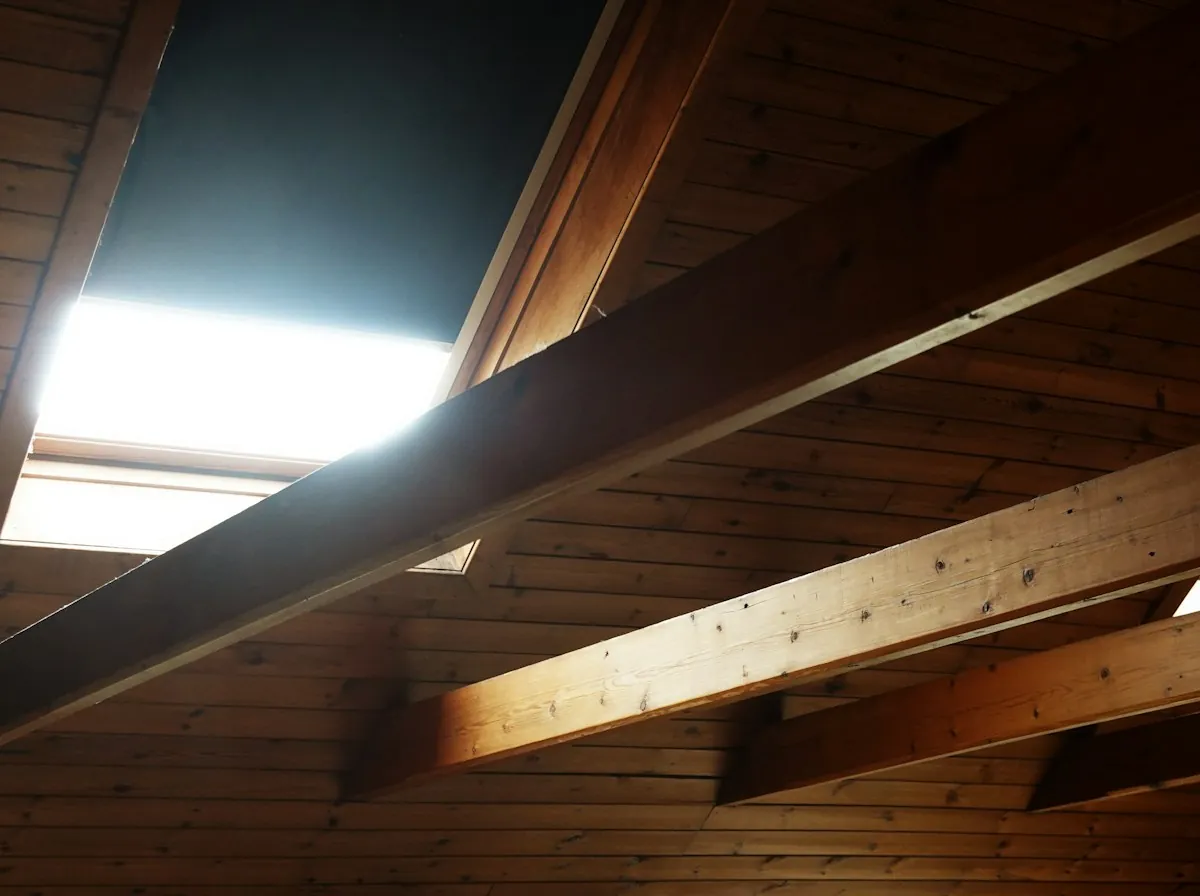
The slope; the details that genuinely fail -- eaves, valleys, chimney and wall abutments, penetrations; and the roof space, because the underside shows old water tracks, daylight, damp insulation, the layer count and whether the deck is board or plywood. Anything reported is photographed.
Labor, in most cases -- typically more than half the total, and the share rises with pitch and complexity because steep broken-up roofs take far longer per square foot than simple ones. The item that most often moves a final bill away from the quote is different: replacement decking, which nobody can measure until the old covering is off. That is why it belongs in the scope as a rate per sheet.
A 1,200 square foot roof in architectural shingle works out at roughly $6,600 to $9,600 on New Jersey rates, before anything the roof itself adds. Note that 1,200 square feet of FLOOR is not 1,200 square feet of roof: pitch, overhangs and dormers mean the roof area on a house that size is commonly a third larger again, which is a frequent source of quotes that look inexplicably far apart.
Usually not, on a house. Replacing the roof COVERING on a detached one- or two-family dwelling is ordinary maintenance under N.J.A.C. 5:23-2.7 -- no permit, no notice, no inspection. Three or more units, an attached building, or anything structural underneath the covering is a different answer, and the office that decides is your own municipality's construction office, not the state's. West Orange is detached enough that no permit is the normal outcome here.
The registration number on the paperwork, not just the website. A written scope over $500, as New Jersey requires.