Slate Roof Replacement in Pleasantdale from $9. $22 to $35 a square foot for natural, $9 to $16 for synthetic -- and the frame decides which you can have. Free inspection and a written quote.
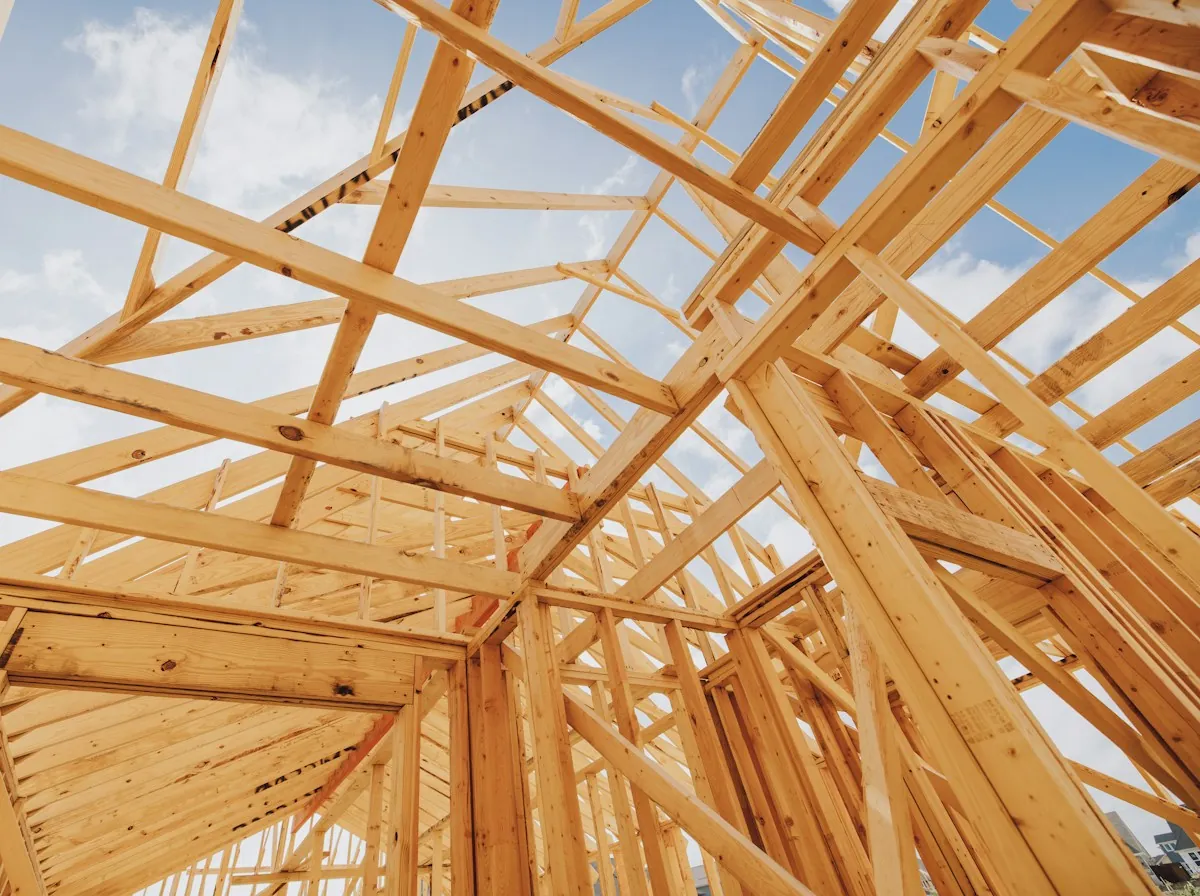
Post-war frames out here were not built for stone, so putting natural slate on one means reinforcing the structure -- a different job, with a different permit position, because structural work is not ordinary maintenance. Synthetic at $9 to $16 a square foot gives the appearance without the engineering.
Natural slate installs at $22 to $35 per square foot in New Jersey; across the state the full spread runs $18 to $40 depending on the stone and the complexity of the roof. Synthetic slate is $9 to $16 and lands most average houses between $18,000 and $32,000 all in. On a single broken tile, natural slate is $200 to $500 to put right because it is specialist work; synthetic is an ordinary repair.


Natural slate installs at $22 to $35 per square foot in New Jersey and synthetic at $9 to $16, which puts synthetic on an average house between $18,000 and $32,000 all in. The choice is usually made by the structure rather than by preference: a frame built for stone will carry stone, and one built for asphalt will not. The most predictable pricing in the service area. Simple post-war geometry means the two variables are visible: the layer count, and whether the quote is architectural shingle at $5.50 to $8.00 or three-tab at $4.50 to $6.50 for a similar-looking total.
Choosing synthetic where the frame was never built for stone -- which is most of this service area outside the mountain sections. It also makes every future repair an ordinary one rather than specialist work.
Genuine slate on a genuinely complicated roof. Towers, dormers and long valleys are all hand work, and a single broken natural slate is $200 to $500 to replace properly because of what it takes to do it without breaking three more.
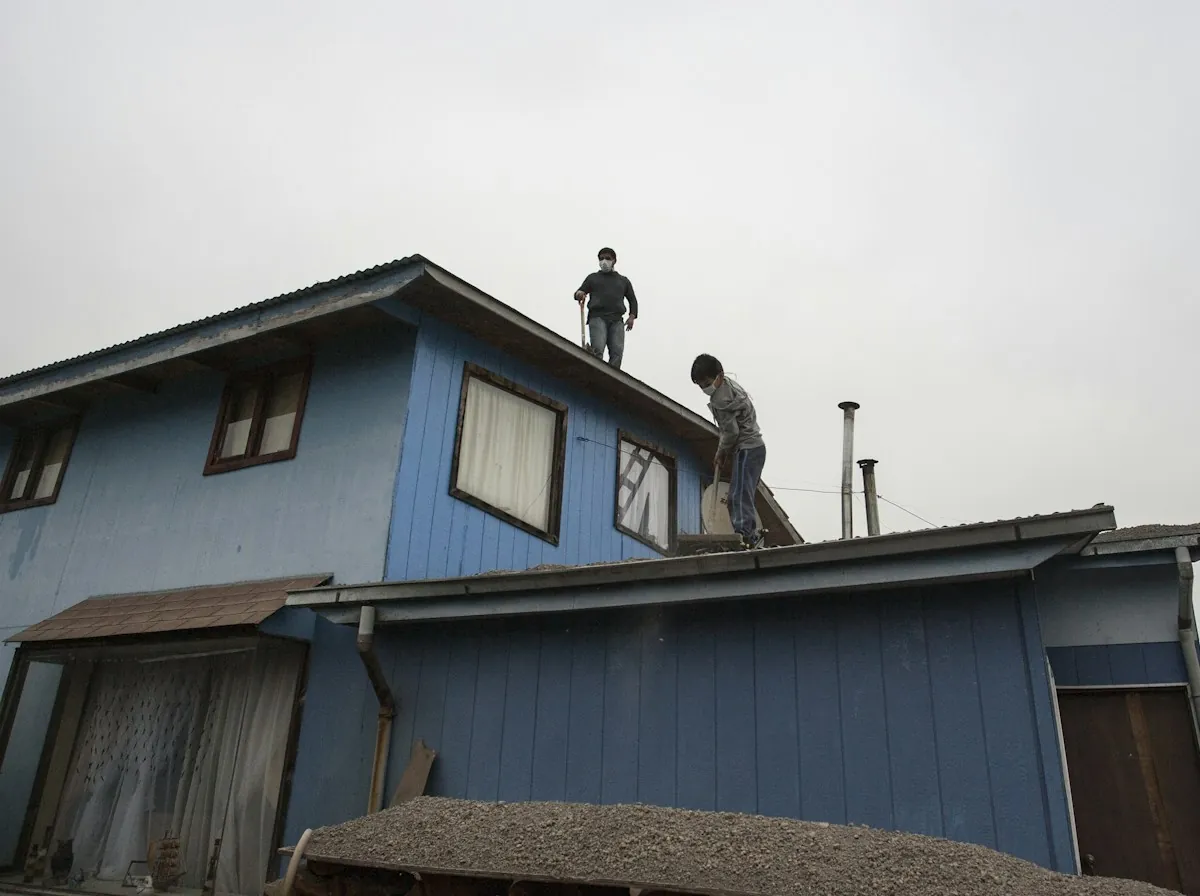
Whether the slate has actually failed. Very often the stone has decades left and it is the nails, the valley linings or the flashings that have gone -- a completely different job at a completely different price.
The most straightforward roofing in West Orange and the easiest to price honestly: architectural shingle at $5.50 to $8.00 a square foot on roofs without much geometry to them. What moves the number is the layer count and the deck, because a roof already carrying two coverings is a tear-off whatever anybody quotes.
Simple roofs are where the difference between an architectural and a three-tab quote shows up most plainly, because nothing else in the price is complicated.
Three of them you can do standing in your own driveway, before anybody gets a ladder off a roof rack. Apply them here first.
The same regulation puts that number on every advertisement, business document, contract and piece of correspondence distributed in this state. A flyer or a door hanger without one was produced in breach of it, whatever else is printed on it.
Over $500, N.J.A.C. 13:45A-16.2 requires it in writing and signed by both parties, setting out the work and the materials and giving the contractor's legal name and business address. A first name and a mobile number is not a business address.
That contract must carry a bold Notice to Consumer giving you three business days to cancel, running to midnight of the third business day after you receive your copy. Anyone telling you the price is only good today is describing something the law will not enforce for them.
The most straightforward replacement work in the township: post-war detached houses, moderate pitches, little geometry.
Simple roofs fail simply, which is good news for a repair.
A gust that gets under a badly nailed course on a simple roof will take a clean strip off it, which looks alarming and is usually a bounded repair.
The typical flat roof here is a rear extension or an attached garage added to a post-war house, and the typical failure is at the wall junction where it meets the original building.
On a simple post-war roof the inspection answers two questions quickly: how many coverings are up there and how much life the top one has left.
One township, two trades. The mountain decides.
An 1850s planned community. Real slate, real frames.
High and exposed. Edges first, access second.
Heavy canopy. Valleys, gutters and shaded slopes.
Denser and more multi-family. Unit count decides it.
Large, simple, accessible. Age is the question.
Inter-war stock. Board decking and narrow lots.
The questions this job turns on, answered up front.
Very often just the fixings. Natural slate frequently outlives the nails holding it and the metal in the valleys beside it, so a roof that is visibly shedding tiles may need renailing and new linings rather than new stone. Those are wildly different jobs and the difference is established by looking, not from the ground.
Only if the structure will carry the weight, which on most post-war housing it will not without reinforcement -- and reinforcement is structural work, so it is not ordinary maintenance and the permit position changes. Synthetic slate at $9 to $16 a square foot gives the appearance without the engineering.
It is a Florida rule, and it does not apply in New Jersey. The 25% rule comes from the Florida Building Code Existing Building, where repairing or replacing more than a quarter of a roof within a year can require the whole thing to be brought up to current code. New Jersey has no equivalent provision. It appears in searches here because national content repeats it without saying which state it belongs to, and it is worth knowing that any contractor quoting it at you in this state is citing the wrong code book.
An architectural asphalt roof runs $9,500 to $26,000 in New Jersey, and most 2,000 square foot houses land at $12,000 to $18,000 installed. Per square foot that is $5.50 to $8.00 for architectural shingle against $4.50 to $6.50 for three-tab. Natural slate is a different market entirely at $22 to $35 a square foot, and synthetic slate sits between them at $9 to $16.
Architectural asphalt typically gives 20 to 30 years here and three-tab 15 to 20, with freeze and thaw at the eaves doing more to shorten both than sunlight does. Natural slate outlasts the rest by a wide margin -- often a century or more -- which is why so many slate roofs in this area need their nails, valleys and flashings attended to rather than the stone replaced.
The registration number on the paperwork, not just the website. A written scope over $500, as New Jersey requires.